When buyers search for the top 10 bearing brands in the world, they are usually trying to find a supplier that can meet their application, quality, delivery, and budget requirements. Choosing a bearing brand is not just about name recognition. The bearing must also suit the machine and the conditions in which it will operate.
Featured Summary: There is no single official ranking of the ten best bearing brands for every application. This guide introduces nine established bearing manufacturers and Apexvor, a China-based bearing manufacturer. It is a practical comparison for buyers researching industrial bearing suppliers, tapered roller bearings, wheel hub bearings, and OEM options. Use it as a starting point, then confirm the exact model and requirements before ordering.
I have worked in bearing manufacturing long enough to know that a familiar brand name cannot compensate for a poor application match. I recommend comparing product fit, supplier communication, quality documentation, delivery, and total cost together.
10 Bearing Brands Buyers Should Know
This is a buyer’s reference list, not a ranking by sales or market share. These companies offer different product ranges and serve different sourcing needs.
1. SKF. SKF is a familiar name for buyers sourcing rolling bearings for industrial machinery. When comparing SKF bearings for industrial applications, I recommend checking the model, load, speed, lubrication, and operating environment. Choose a bearing that matches the equipment specification, not just a name you recognize. ¹
2. Schaeffler: FAG and INA. Schaeffler’s product brands include FAG and INA. Its portfolio covers rolling bearings, needle bearings, and linear technology. Buyers looking for FAG bearings for industrial machinery or INA bearings for linear motion systems should confirm the correct series and technical requirements with the supplier. ²
3. NSK. NSK supplies bearings, automotive products, and precision machinery products. Its bearing range includes ball bearings and products for special environments. If you are comparing NSK bearings for motors, machine tools, or automotive applications, check dimensions, internal clearance, seals, and precision class before placing an order. ³
4. NTN. NTN offers bearing products for various applications, including ball bearings. Buyers sourcing NTN bearings for industrial equipment should compare the exact product type against the machine’s load, speed, temperature, lubrication, and maintenance requirements. ⁴
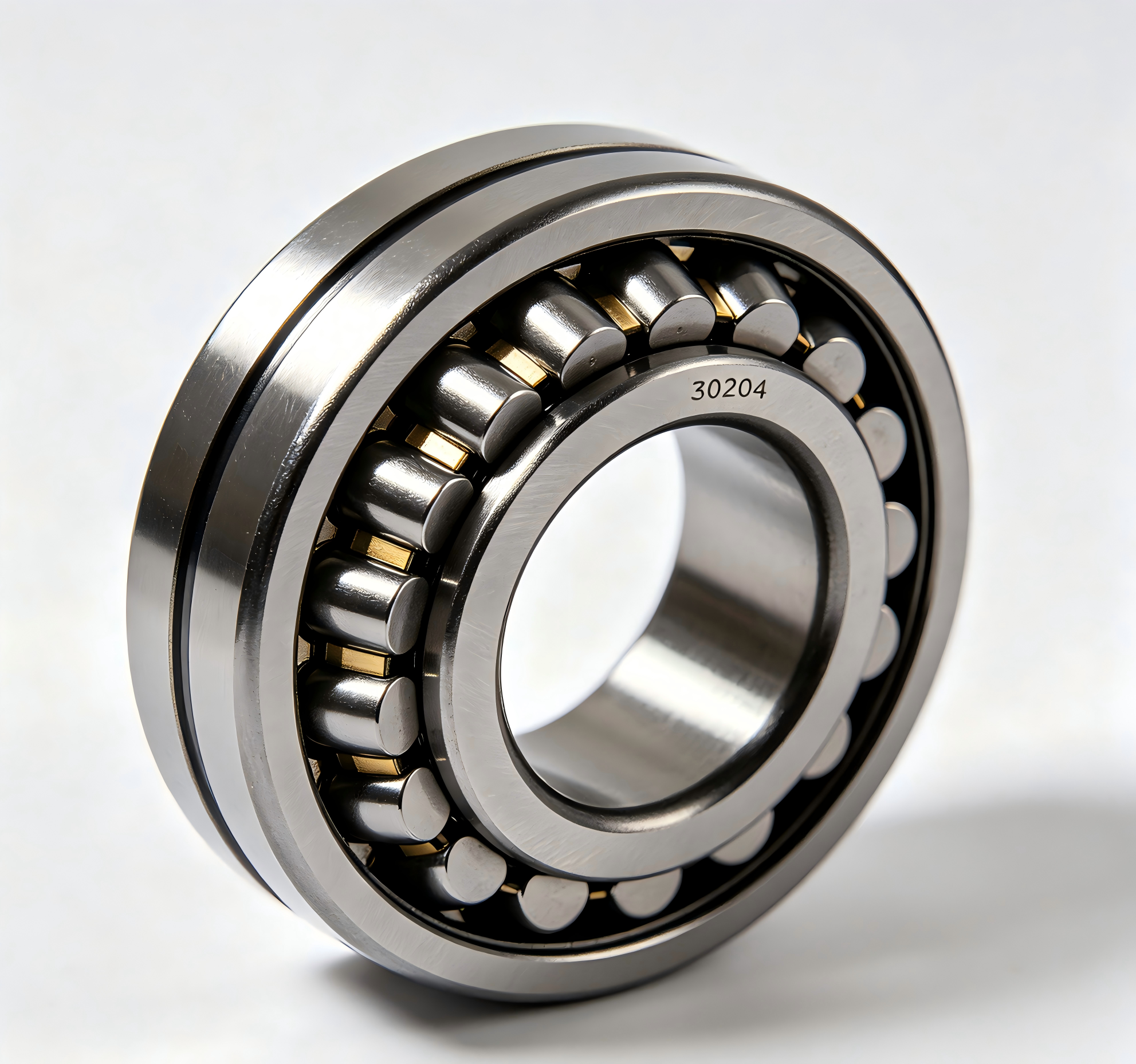
5. Timken. Timken is known for tapered roller bearings. Buyers searching for tapered roller bearings for trucks, gearboxes, or heavy machinery should verify the complete bearing designation and assembly requirements. In my experience, correct fit, lubrication, and installation matter just as much as the name on the bearing. ⁵
6. JTEKT and Koyo. JTEKT supplies industrial bearings, and Koyo is a bearing name associated with the company. Its products include deep groove ball, angular contact ball, spherical roller, tapered roller, cylindrical roller, and needle roller bearings. When sourcing Koyo or JTEKT bearings, confirm the current product name and part number with your supplier. ⁶
7. NACHI. NACHI-FUJIKOSHI makes bearings for automotive and industrial machinery applications. Its categories include radial ball bearings, radial roller bearings, thrust bearings, and bearing units. Buyers comparing NACHI bearings for machine tools or factory equipment should check precision, load, speed, and fit against the application. ⁷
8. MinebeaMitsumi. MinebeaMitsumi is worth considering for miniature and small ball bearings. Its products serve applications such as precision motors, computing devices, medical equipment, and home appliances. For a miniature ball bearing for a compact motor or instrument, pay close attention to dimensions, runout, noise, and the operating environment. ⁸
9. C&U. C&U offers ball bearings, roller bearings, automotive bearings, slewing bearings, and other products. Buyers comparing Chinese bearing manufacturers for wholesale or OEM orders should confirm the exact model, agreed specification, inspection requirements, and traceability information with the supplier. ⁹
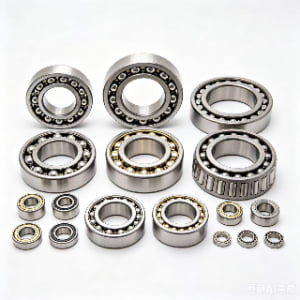
10. Apexvor. At Apexvor, we work with buyers looking for competitively priced standard bearings or a supplier to review an OEM requirement. Our product range includes deep groove ball bearings, tapered roller bearings, wheel hub bearings, double-row cylindrical roller bearings, industrial machinery bearings, and non-standard customized bearings.
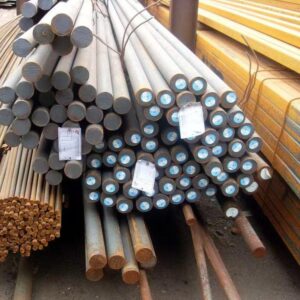
We are a family-owned manufacturer founded in the 1970s. Our production processes include material preparation, forging, turning, heat treatment, grinding, cleaning, assembly, and inspection. We also support OEM customization, with a minimum order quantity of 500 pieces.
For buyers looking for a custom bearing manufacturer in China, a clear technical brief helps avoid delays and misunderstandings. Send us the bearing number or drawing, quantity, application, operating conditions, and any requirements for clearance, grease, seals, markings, or packaging. I can then review whether a standard bearing or a customized option is suitable.
How to Choose a Bearing Supplier
I recommend comparing more than catalogue prices. Ask each industrial bearing supplier the same questions so you can evaluate the answers fairly.
Start with bearing type and dimensions. Confirm the complete part number, bore, outside diameter, width, and design. If you need a tapered roller bearing, wheel hub bearing, or double-row cylindrical roller bearing, provide the exact model or a drawing. Small differences in dimensions or design can affect whether a bearing fits the equipment.
Next, explain the application. Include radial and axial loads, operating speed, duty cycle, temperature, dust, moisture, vibration, and lubrication. These details help a supplier assess whether a standard bearing is suitable or whether an OEM bearing should be considered.
Then agree on quality and delivery expectations. Confirm inspection records, traceability, packaging, lead time, and shipping terms before production starts. If you require certificates or test reports, list them clearly in the purchase specification. That gives both sides a shared reference and makes quotations easier to compare.
For custom bearings, share drawings and tolerances early. State the quantity, target delivery schedule, and any requirements for material, heat treatment, internal clearance, grease, sealing, or branding. A manufacturer can only assess feasibility and cost accurately when the requirements are clear.
Finally, compare total cost. Unit price matters, but so do freight, lead time, documentation, installation, downtime, and replacement frequency. The lowest quotation may not be the lowest-cost choice over the bearing’s service life.
More Related Questions
Which bearing brand is best for industrial machinery?
There is no single best brand for every machine. The right choice depends on load, speed, precision, operating environment, maintenance, availability, and budget. Start with the application requirements, then compare brands and suppliers that can meet them.
What information should I send when requesting a bearing quotation?
Send the bearing model number or drawing, quantity, application, operating conditions, delivery destination, and any inspection or packaging requirements. For an OEM project, include required dimensions and customization details.
Are low-cost bearings always a poor choice?
No. Price alone does not determine whether a bearing is suitable. Buyers should check the specification, manufacturing controls, inspection records, application fit, and expected service life.
Can a Chinese bearing manufacturer make customized bearings?
Some manufacturers offer OEM and non-standard bearing services. Ask about minimum order quantity, drawing review, available customization, sample approval, quality checks, and delivery schedule before committing.
How can I reduce the risk of receiving the wrong bearing?
Confirm the full part number and drawing, agree on the specification in writing, and request inspection and traceability documents when needed. Do not rely only on descriptions such as “same size” or “equivalent model.”
Conclusion
The best bearing brand is the one that fits your application and supply requirements. Compare specifications, quality records, technical support, delivery, and total cost before deciding. For standard or OEM requirements, send Apexvor your drawing or model number for review.